

Why Planet Health?
Personal and planetary health are deeply interconnected. The way we move, eat, breathe, heal, live and connect are all shaped by our relationship with the natural world. When we feel connected to nature, we protect it. When we protect nature, we nurture ourselves and future generations.
But what happens when the world around us is rapidly changing? Half of the world’s population now live in cities or urban areas, increasingly removed from the natural systems that have shaped human life for generations. It is estimated that by 2050, 70% of us will live in cities. How can the places we live support both human health and the health of the environment around us?
The Planet Health Film Fund invites documentary storytelling to explore this question through real lives, places and communities. We are looking for intimate and cinematic stories that reveal how people are finding ways to live healthier lives while staying connected to the natural world, and what we might learn from them as our world becomes increasingly urbanised.
The Pillars
Whatever story you choose to tell, these five pillars describe the qualities we hope to see at the heart of the film. They should help shape how the story is approached and brought to life on screen.
The film centres a real person, family or community and is rooted in lived experience or a genuine point of view, turning a large issue into a specific and relatable story.
The film can hold complexity and difficult realities honestly, but should leave room for agency, possibility, connection or change.
The relationship between personal and planetary health is integral to the story. The strongest pitches will make this connection feel inseparable from the film rather than added on.
We are looking for films with a clear story, strong visual language and considered use of image, sound, structure and pace. The 10-minute film is the primary creative work, not an extended piece of social content.
A distinctive voice and an unexpected approach are welcome. We would rather back a singular idea told with conviction than something designed simply to tick every box.
The Themes
Planetary health can be explored through many different stories. Our health is shaped by the planet we depend on, the places we live and the communities we are part of. We are interested in what people, places and different ways of living can teach us about staying healthy, happy and connected to nature in an increasingly urbanised world.
The themes below are starting points, not a checklist. Stories may cross between them, but the connection between human and planetary health should remain at their heart.
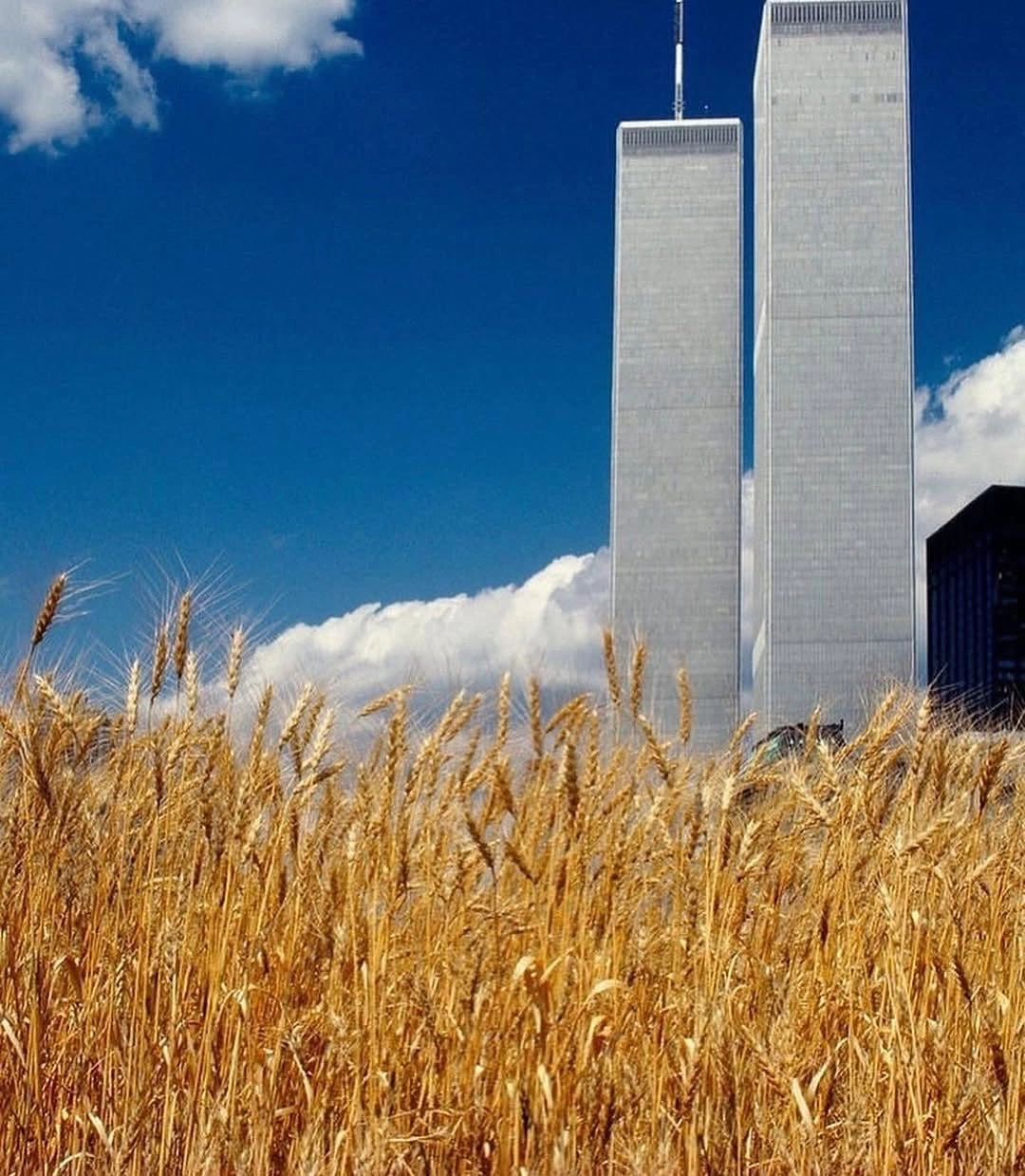
How the places we live shape our health and our relationship with the planet. Stories might explore how cities and neighbourhoods can support healthier lives, our access to nature and green and blue spaces, or the role of community, collective care and connection in shaping the places around us.
How our environments and everyday lives affect our physical health. Stories might explore food and the systems we depend on, movement, air and breath, or how our surroundings and habits can support longer, healthier lives.
How our relationship with the world around us shapes our mental and emotional health. Stories might explore our connection to nature and wellbeing, or how environmental change, pollution, displacement and other pressures affect individuals and communities.
How our connection to place and what we inherit from those before us can shape both human and planetary health. Stories might explore relationships with land, traditional knowledge and different ways of understanding and living with the natural world.
The Filmmakers
We are looking for the right storytellers as much as the right stories. We want a range of voices, backgrounds and creative approaches, so there is no single profile. What unites the filmmakers we choose is a genuine point of view, the craft to carry a ten minute film, and the care to work with real people and sensitive subjects well.
You bring a clear perspective and a compelling reason this story is yours to tell, whether that comes from lived experience, sustained engagement with a subject, or a deep connection to a place or community.
You have previously directed at least one short documentary or comparable authored non-fiction work that has screened at one or more recognised film festivals, and can demonstrate a strong command of visual storytelling.
These stories may involve real people, health and moments of vulnerability. We want filmmakers who work thoughtfully, with informed consent, care and respect at the centre, and can share authentic connection to the community at the heart of the story.
You will have agreed creative and production touchpoints with Earthrise throughout the programme. We are looking for filmmakers who are open to dialogue and feedback while holding a strong creative vision of their own.
A distinctive voice, unexpected approach, or form we have not seen is welcome. We are interested in filmmakers with something specific to say and a clear sense of how they want to say it. We would rather back a singular vision told with conviction than a safe idea told well.
The Impact
We are interested in how documentary storytelling can create deeper engagement, helping people understand the connection between personal and planetary health and see it as relevant to their own lives. We want to inspire people to think, talk or act differently, finding new ways to stay healthy, happy and connected to nature in an increasingly urbanised world.
Each story will have its own audience and its own potential for impact. We want filmmakers to think about who they most want their film to reach, why the story matters to that audience, and what they hope might happen as a result of people seeing it.
Applications close 6pm GMT, 16 November 2026
Apply Now